Beyond Silicon: The Dawn of Advanced Photovoltaics and the Future of Solar Energy
The global shift toward renewable energy has placed solar power at the forefront of our sustainable future. For decades, silicon-based photovoltaic (PV) panels have been the undisputed workhorse of the industry. However, a new era is dawning—one defined by advanced photovoltaics that shatter the limitations of traditional technology. These next-generation solar cells are not just improving on existing designs; they are revolutionizing them, promising unprecedented efficiency, lower costs, and applications previously confined to science fiction. Welcome to the future of solar energy.

What Are Advanced Photovoltaics?
Advanced photovoltaics is a broad term for a suite of solar technologies that move beyond conventional crystalline silicon cells. They leverage innovations in materials science, physics, and engineering to enhance performance, reduce costs, and expand the usability of solar power. This includes developing new light-absorbing materials, creating complex cell structures, and integrating smart technologies to maximize energy output. The goal is simple: to capture more of the sun's energy, more efficiently, and in more ways than ever before. These technologies are the key to unlocking the full potential of global solar deployment.
Perovskite Solar Cells: The Game-Changer
Perhaps no advanced PV technology has generated more excitement than perovskite solar cells. Named after their unique crystal structure, perovskites have seen a meteoric rise in efficiency, climbing from just 3.8% in 2009 to over 27% in single-junction laboratory settings by 2025. Perovskite materials are incredibly effective at absorbing light and can be manufactured using low-cost, low-temperature techniques similar to printing, which could drastically reduce production costs compared to energy-intensive silicon processing.
Tandem Cells: The Best of Both Worlds
One of the most promising applications for perovskites is in tandem solar cells, where a thin layer of perovskite is placed on top of a traditional silicon cell. This multi-junction approach is incredibly effective. The top perovskite layer captures high-energy light (like blue and green wavelengths), while the bottom silicon layer absorbs the lower-energy light (like red and infrared) that passes through. This division of labor allows the cell to utilize a much broader spectrum of sunlight, breaking through the efficiency ceiling of single-junction cells. As of 2024 and 2025, perovskite-silicon tandem cells have achieved certified efficiencies exceeding 34%, surpassing the records for silicon-only cells.
Multi-Junction Solar Cells: Pushing the Absolute Limits
Multi-junction solar cells take the tandem concept even further by stacking multiple semiconductor layers, each tailored to absorb a different slice of the solar spectrum. Using advanced materials like Gallium Arsenide (III-V semiconductors), these cells can achieve efficiencies that are impossible for other technologies. While their complexity and high manufacturing costs have traditionally limited their use to niche, high-stakes applications like satellites and space exploration, they hold the record for photovoltaic efficiency, with some cells exceeding 47% under concentrated sunlight. As researchers find ways to lower costs, the principles of multi-junction design are informing the development of next-generation terrestrial cells.
A Comparison of Emerging PV Technologies
Understanding the landscape of advanced photovoltaics requires comparing the key players. While traditional silicon remains the market incumbent, new technologies offer distinct advantages.
| Technology | Key Advantages | Current Challenges | Lab Efficiency Records (Approx.) |
|---|---|---|---|
| Monocrystalline Silicon (PERC) | Mature, reliable, high market share | Approaching theoretical efficiency limits | ~27% |
| Perovskite (Single-Junction) | Low cost, solution-processable, flexible | Long-term stability, moisture sensitivity | ~27% |
| Perovskite-Silicon Tandem | Exceeds silicon efficiency, utilizes existing infrastructure | Scalability, long-term durability of perovskite layer | >34% |
| Multi-Junction (III-V) | Highest known efficiency, durable | Extremely high manufacturing cost, complex | >47% (under concentration) |
| Organic PV (OPV) | Flexible, transparent, low-light performance | Lower efficiency, shorter lifespan | ~19% |
Bifacial and Transparent Panels: Solar is Everywhere
Innovation isn't just about efficiency; it's also about integration. Bifacial solar panels are a prime example, designed to capture sunlight on both sides. The front side absorbs direct sunlight, while the rear side captures light reflected from the ground or rooftop (albedo light), potentially boosting energy generation by up to 30%.
Even more revolutionary are transparent solar panels. These see-through solar cells can be integrated directly into windows, skylights, and even smartphone screens. While still an emerging technology, they promise a future where entire building envelopes become active power generators without compromising on aesthetics or visibility, turning everyday surfaces into part of our energy infrastructure.
Thin-Film Technologies: Flexible and Lightweight
Thin-film solar cells, such as Cadmium Telluride (CdTe) and Copper Indium Gallium Selenide (CIGS), represent another branch of advanced photovoltaics. They are made by depositing one or more thin layers of photovoltaic material onto a substrate. This process uses significantly less material than traditional silicon wafers, leading to a lighter weight, greater flexibility, and a lower manufacturing cost. Their versatility makes them ideal for applications where traditional rigid panels are not suitable, such as on curved roofs or portable power solutions.
The Role of AI and Smart Technology
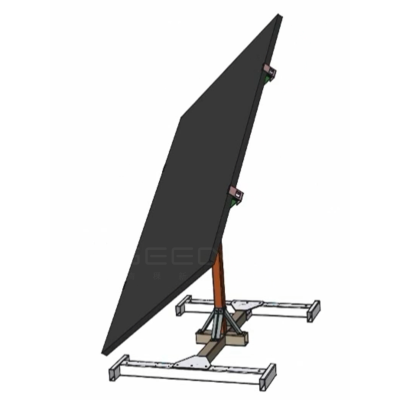
The future of solar isn't just in the materials—it's in the intelligence that manages them. Artificial Intelligence (AI) and the Internet of Things (IoT) are becoming integral to optimizing solar energy systems. AI algorithms can predict weather patterns and energy demand to optimize battery storage and grid interaction. Smart inverters and trackers can adjust the position and output of individual panels in real-time to mitigate shading or temperature effects, ensuring the entire system operates at peak capacity. This data-driven approach enhances the efficiency and reliability of solar installations, from residential rooftops to utility-scale farms.
Overcoming the Hurdles to Commercialization
Despite the incredible promise of these advanced technologies, the road from the lab to mass-market adoption is filled with challenges. For perovskites, the primary concern is long-term stability; the material can degrade when exposed to moisture and heat, although significant progress is being made with new encapsulation and molecular passivation techniques. For multi-junction and other high-efficiency cells, the main barrier is cost. Researchers and engineers are working tirelessly to develop scalable, cost-effective manufacturing processes that can compete with the established silicon supply chain.
Building-Integrated Photovoltaics (BIPV)
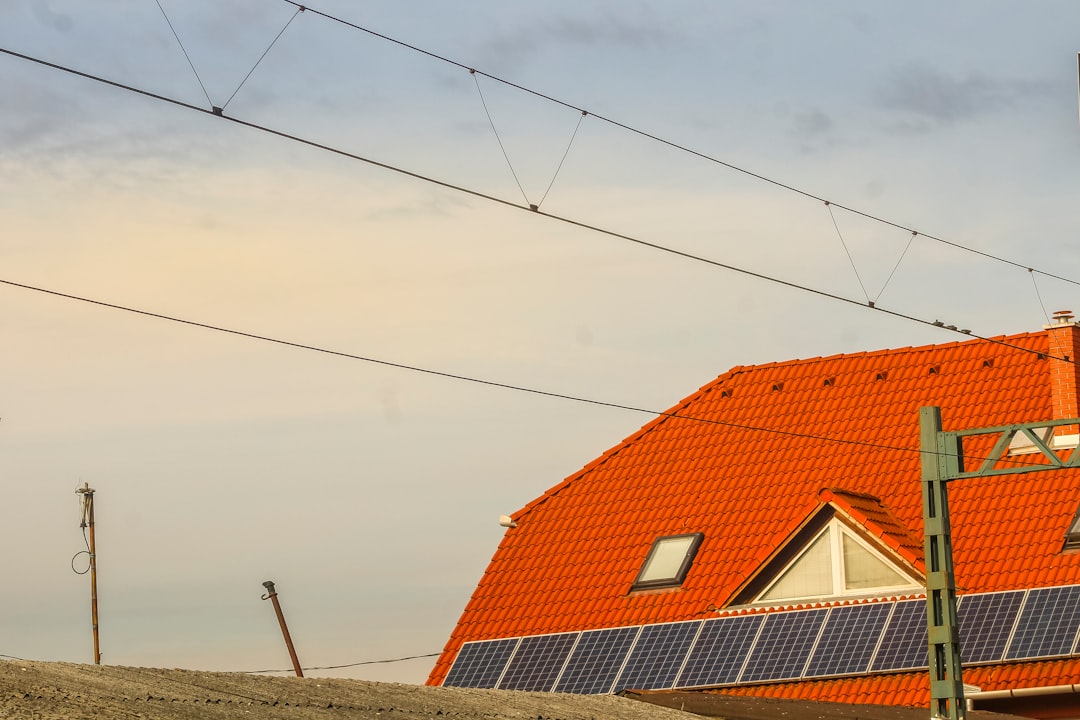
Building-integrated photovoltaics (BIPV) represent the seamless fusion of solar technology and architecture. Instead of mounting separate panels onto a building, BIPV products are the building materials. This includes solar roof tiles or shingles that blend in with conventional roofing, solar-integrated facades, and transparent solar windows. These innovations are critical for deploying solar in dense urban environments and for property owners who prioritize aesthetics. As advanced technologies like OPV and transparent cells mature, the possibilities for BIPV will expand exponentially.
The Path to a Solar-Powered Future
Advanced photovoltaics are accelerating our journey to a world powered by clean energy. From record-shattering tandem cells that squeeze more power from every sunbeam to transparent windows that generate electricity, the pace of innovation is relentless. While silicon will remain a key player for the foreseeable future, these next-generation technologies are breaking down the remaining barriers to widespread solar adoption—efficiency, cost, and versatility. By pushing the boundaries of what's possible, advanced photovoltaics are not just supplementing our energy grid; they are redefining it, paving the way for a brighter, more sustainable future.