Energy Storage Systems: The Quiet Revolution Behind Clean Energy
Table of Contents
1.
Introduction: The Invisible Hero of Modern Energy
2.
What Are Energy Storage Systems?
3.
How Do They Work? A Simple Breakdown
4.
Why Energy Storage Matters More Than Ever
5.
Real-World Applications: From Homes to National Grids
6.
The Future: Safer, Faster, and Smarter Storage
7.
Conclusion: Powering a Sustainable Tomorrow
Energy Storage Systems: The Quiet Revolution Behind Clean Energy
1. Introduction: The Invisible Hero of Modern Energy
When you flip a switch, the lights come on—seemingly by magic. But behind that instant power is a complex dance of supply and demand, managed by an intricate network of power plants, transmission lines, and control systems. What happens when the wind isn’t blowing or the sun isn’t shining? When renewable sources slow down, the grid can become unstable, risking blackouts or inefficient energy use. That’s where energy storage systems step in, quietly ensuring the show goes on. They act as shock absorbers, storing excess energy and releasing it when needed most. They’re not just helpful—they’re essential. As the world shifts toward cleaner energy, storage has emerged as the invisible backbone of the modern grid, making renewables more viable and reliable than ever before. These systems are the unsung heroes of the clean energy transition, working behind the scenes to keep our lives powered without interruption.
2. What Are Energy Storage Systems?
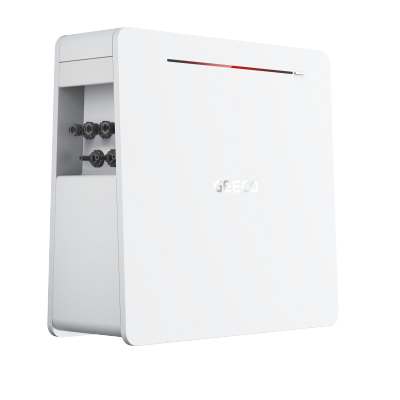
Think of energy storage systems (ESS) as giant rechargeable batteries for the grid, but their forms go far beyond just lithium-ion cells. At their core, they capture electricity when it’s generated in surplus—like during midday solar peaks or windy nights—and save it for later use. While battery-based systems are the most visible and rapidly growing type, ESS technologies include a wide range of solutions. Pumped hydro storage, for example, moves water uphill to a reservoir when power is cheap or abundant, then releases it through turbines to generate electricity when demand rises. Thermal storage captures heat in materials like molten salt to be used later for heating or power generation. Compressed air energy storage (CAES) stores energy by pressurizing air in underground caverns and releasing it to drive turbines. Each technology has its strengths, suited to different durations, scales, and locations. Together, they form a diverse toolkit for managing the variability of modern energy systems.
3. How Do They Work? A Simple Breakdown
Imagine your phone battery, but on a much larger scale—capable of powering entire neighborhoods or even cities. When solar panels generate more electricity than a home or business needs, instead of sending all the excess back to the grid or letting it go to waste, it charges a local battery. Later, when the sun sets or clouds roll in, that stored energy powers the building, reducing reliance on external sources. On a utility scale, massive battery farms—often the size of several football fields—store energy from wind and solar farms during periods of low demand. When evening peaks hit and electricity usage spikes, these systems discharge power back into the grid within milliseconds. This rapid response helps stabilize voltage and frequency, preventing outages and maintaining the delicate balance the grid requires. Inverters convert stored DC power into AC power, while advanced software monitors energy flows, predicting when to charge or discharge based on weather, prices, and grid conditions. It’s a seamless, intelligent process that happens continuously, keeping the lights on without most people ever noticing.
4. Why Energy Storage Matters More Than Ever
The global push toward renewable energy is accelerating, with solar and wind capacity expanding at record rates. But these sources are inherently intermittent—they depend on weather and time of day. This variability creates challenges: too much power when it’s not needed, and not enough when it is. Without storage, utilities must rely on fossil fuel-powered “peaker” plants to fill the gaps, which defeats the purpose of going green. Energy storage smooths out these fluctuations, acting like a buffer that absorbs excess and releases it when demand rises. This not only reduces carbon emissions but also enhances grid resilience during extreme weather events, like hurricanes or heatwaves, when power lines may fail. Storage also delays or avoids costly grid upgrades by managing congestion and deferring infrastructure investments. In deregulated markets, storage can even generate revenue by buying low and selling high during price spikes. In short, storage transforms renewables from variable sources into dependable, on-demand power, making them more practical, reliable, and economically viable.
5. Real-World Applications: From Homes to National Grids
Energy storage is already making a difference in everyday lives and large-scale infrastructure. At the residential level, systems like the Tesla Powerwall or LG Chem RESU allow homeowners to store solar energy, reduce their electricity bills, and maintain power during outages. In areas prone to blackouts—like parts of California or hurricane-prone regions—these systems provide peace of mind and energy independence. In remote or off-grid communities, microgrids combined with battery storage offer a lifeline, delivering reliable electricity where extending traditional grid lines is impractical or too expensive. On a larger scale, countries like the UK, Australia, and Germany are deploying utility-scale battery energy storage systems (BESS) to manage the variability of their growing wind and solar farms. For instance, the UK uses BESS to respond to frequency deviations in real time, helping maintain grid stability as coal plants retire. Even electric vehicles (EVs) are becoming part of the solution through vehicle-to-grid (V2G) technology, where parked EVs can send stored energy back to the grid during peak times, effectively turning fleets into mobile power plants. These applications show how flexible and transformative storage can be across different scales and needs.
6. The Future: Safer, Faster, and Smarter Storage
The next generation of energy storage is already in development, promising breakthroughs in safety, speed, and intelligence. Researchers are rethinking battery chemistry to overcome current limitations. For example, new anode materials like sulfurized polyacrylonitrile (SPAN) in lithium-ion batteries prevent dangerous lithium plating, enhancing safety and enabling higher energy density. Solid-state batteries, which replace liquid electrolytes with solid ones, offer even greater safety, faster charging, and longer lifespans—making them ideal for both EVs and grid use. Sodium-ion batteries, using abundant and inexpensive materials, could dramatically reduce costs and supply chain risks associated with lithium. Beyond chemistry, advancements in system design and digitalization are just as crucial. Artificial intelligence and machine learning are being used to optimize charging cycles, predict energy prices, and integrate storage with other clean technologies like smart thermostats and renewable generators. Modular and scalable designs allow systems to grow with demand, while second-life batteries—repurposed from EVs—offer a sustainable, cost-effective option for stationary storage. As these innovations converge, storage will become not just a tool, but a central pillar of the energy ecosystem.
7. Conclusion: Powering a Sustainable Tomorrow
Energy storage systems are more than just technology—they’re a bridge to a cleaner, more resilient, and decentralized energy future. They unlock the full potential of renewables, reduce our dependence on fossil fuels, and empower consumers to take control of their energy use. As batteries become cheaper, smarter, and safer, they’ll play an increasingly central role in homes, businesses, and national infrastructures. The quiet revolution has begun, and its impact will only grow. From stabilizing grids to enabling electric mobility and supporting energy access in remote areas, storage is proving to be one of the most transformative technologies of the 21st century. The question isn’t whether we’ll rely on energy storage—it’s how quickly we can scale it up, innovate, and integrate it into every level of our energy system. The future is not just renewable; it’s stored.