The Fusion of Intelligence: How AI Is Supercharging the Solar Energy Revolution
The global push for renewable energy has put solar power in the spotlight. However, to unlock its full potential, we need more than just sunlight; we need intelligence. This is where Artificial Intelligence (AI) steps in, transforming traditional solar solutions into smart, adaptive, and highly efficient energy systems. The fusion of AI and solar technology is not just an incremental improvement—it's a paradigm shift that promises to accelerate our transition to a sustainable future.
From predicting the weather to managing entire solar farms, AI is making solar energy more reliable, affordable, and powerful. It addresses the core challenges of solar power—intermittency, efficiency, and maintenance—by applying data-driven insights and automation on an unprecedented scale. Let's explore the key areas where AI is making its mark.
What Are Smart Solar Solutions?
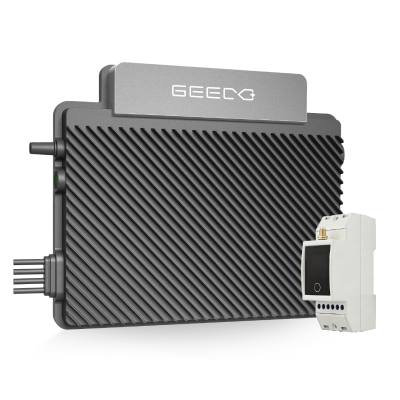
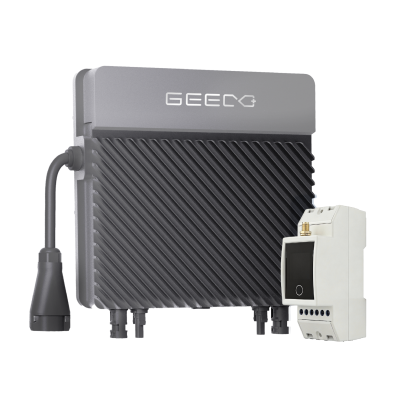
Smart solar solutions are solar energy systems enhanced with digital technologies like AI and the Internet of Things (IoT). Unlike traditional systems that operate passively, smart solutions actively collect and analyze data to optimize every aspect of performance. IoT sensors on panels, inverters, and batteries gather real-time information on everything from energy output to equipment temperature. This data is then fed to AI algorithms, which make intelligent decisions to maximize efficiency, predict issues, and manage energy flow. This creates a dynamic, self-optimizing ecosystem that adapts to changing conditions.
AI-Powered Energy Forecasting: Predicting the Unpredictable
One of the biggest hurdles for solar energy is its dependence on the weather. AI is changing this by providing highly accurate energy generation forecasts. Machine learning models analyze vast datasets, including historical weather patterns, satellite imagery of cloud cover, and real-time atmospheric conditions. By predicting how much sunlight will be available, AI allows grid operators and energy providers to anticipate solar output, manage energy storage more effectively, and ensure a stable supply, even when the sun isn't shining.
Optimizing Panel Performance with Intelligent Algorithms
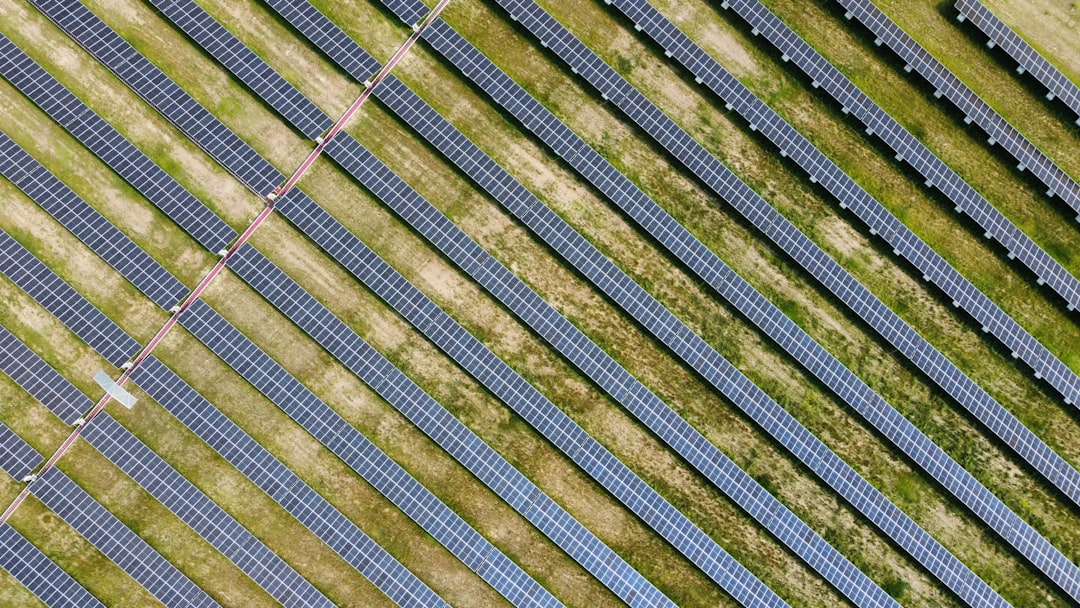
Getting the most energy out of each solar panel is crucial. AI algorithms work tirelessly to optimize panel performance in real-time. For large-scale solar farms, smart tracking systems use AI to dynamically adjust the tilt and orientation of panels throughout the day, following the sun's path to maximize light absorption. AI also helps in the initial design and placement of panels, analyzing 3D site models to account for shading from nearby objects and ensuring the most productive layout possible, boosting energy yields significantly.
Predictive Maintenance: Fixing Problems Before They Happen
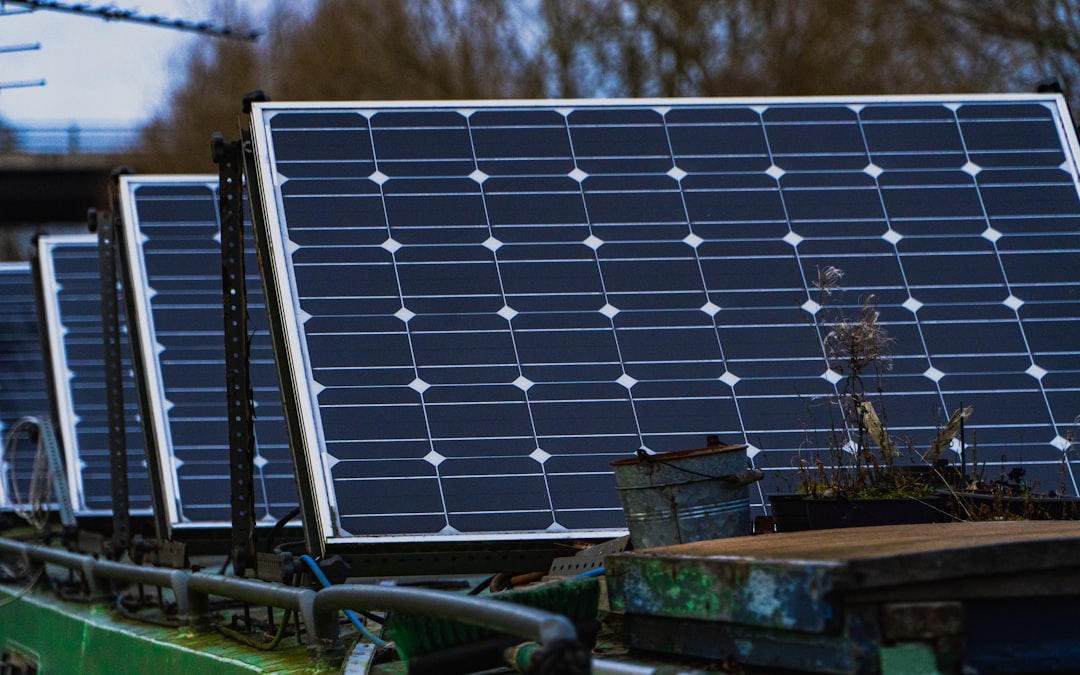
A solar farm can have thousands of panels, making manual inspection a daunting task. AI revolutionizes this with predictive maintenance. By continuously monitoring data from sensors, AI algorithms can detect subtle anomalies in performance that indicate a potential failure, such as a degrading inverter or a faulty connection. The system can then alert maintenance teams to the exact location of the issue before it causes a significant drop in energy production. This proactive approach reduces downtime, lowers maintenance costs, and extends the lifespan of equipment.
Smart Grid Management: Balancing Supply and Demand
Integrating a variable energy source like solar into the power grid is a complex balancing act. AI is essential for smart grid management, ensuring stability as more renewable energy comes online. AI algorithms analyze grid demand in real-time and adjust the flow of solar power accordingly. It can intelligently decide when to store excess solar energy in batteries and when to release it to the grid, helping to prevent overloads and shortages. This capability is critical for creating a reliable and resilient grid powered by renewables.
The Role of AI in Robotic Cleaning and Inspection
The efficiency of a solar panel can drop significantly due to an accumulation of dust, dirt, or snow. Manually cleaning large solar farms is labor-intensive and costly. AI is now powering autonomous robots that can clean and inspect panels with precision. AI can determine the optimal cleaning schedule based on weather data and measured performance loss. Drones equipped with thermal imaging cameras, guided by AI, can quickly scan entire farms to identify damaged panels or hotspots that are invisible to the naked eye.
Enhancing Solar Farm Design and Location Scouting
The success of a solar project begins with its design and location. Before a single panel is installed, AI can be used to analyze potential sites. By processing geographic data, solar irradiance levels, land-use constraints, and proximity to grid connections, AI helps developers identify the most profitable and efficient locations for new solar farms. This data-driven approach minimizes risk and maximizes the return on investment for new solar projects.
Real-World Impact: AI in Action
The application of AI is not just theoretical; it's delivering tangible results today. Solar companies are using AI to streamline operations, cut costs, and boost energy output. The table below illustrates the typical improvements seen by integrating AI-driven systems compared to traditional methods.
| Metric | Traditional Management | AI-Enhanced Management | Improvement |
|---|---|---|---|
| Energy Forecasting Accuracy | 70-80% | 90-95% | ~15-20% Increase |
| Unplanned Downtime | 5-7% of operating hours | <1% of operating hours | ~80% Reduction |
| Maintenance Costs | Reactive, High Labor | Predictive, Automated | ~25-35% Reduction |
| Energy Yield | Sub-optimal | Maximized via tracking | ~10-25% Increase |
Overcoming the Challenges: Data, Cost, and Integration
Despite its enormous potential, the adoption of AI in the solar industry is not without challenges. Implementing these sophisticated systems requires significant initial investment, access to large volumes of high-quality data, and the expertise to integrate AI with existing infrastructure. Furthermore, as these systems become more connected, ensuring robust cybersecurity to protect them from potential threats is a critical concern that must be addressed.
Why AI Integration is a Game-Changer for Solar Investors
For investors and businesses in the solar sector, AI is more than a technological advancement—it's a powerful tool for maximizing profitability and ensuring long-term sustainability. By increasing energy yields, reducing operational costs, and improving the reliability of solar assets, AI directly boosts the return on investment (ROI). Predictive analytics provides more accurate financial forecasting, giving investors greater confidence and encouraging further capital injection into the renewable energy market.
The Future is Bright: AI and the Next Generation of Solar Power
The synergy between AI and solar energy is just beginning. In the future, we can expect even more profound integration. AI will be instrumental in the research and development of new, more efficient photovoltaic materials. Entirely autonomous solar farms, managed by a central AI, will operate with minimal human intervention. As AI technology continues to evolve, it will undoubtedly unlock new efficiencies and innovations, making solar power an even more dominant and dependable cornerstone of our global energy supply.