The Fusion of Intelligence and Light: How AI is Powering the Next Generation of Smart Solar Energy
The Dawn of a New Solar Era: Powered by Artificial Intelligence
Solar energy has long been a cornerstone of the renewable energy movement, but its traditional limitations—intermittency and efficiency hurdles—have often capped its potential. Today, the solar industry is undergoing a profound transformation, driven by the integration of Artificial intelligence (AI). This synergy is not merely an incremental improvement; it's a revolutionary leap forward, turning standard solar systems into intelligent, predictive, and self-optimizing power networks. By harnessing the power of data, machine learning, and advanced analytics, AI is making solar energy smarter, more reliable, and more efficient than ever before, heralding a new dawn for clean energy.
1. Predictive Maintenance: Fixing Problems Before They Happen
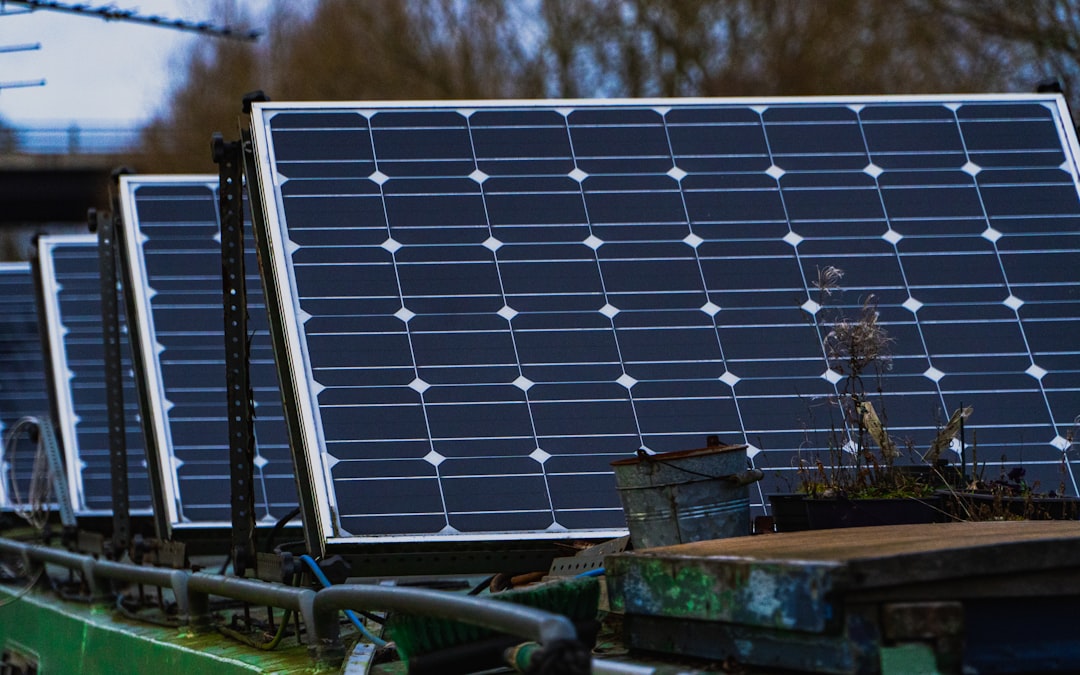
One of the most significant impacts of AI in the solar industry is the shift from reactive to predictive maintenance. In the past, identifying issues like a failing inverter or a dirty panel often happened after energy production had already dropped. AI-powered monitoring systems continuously analyze real-time data from sensors on panels, inverters, and connectors. By detecting subtle anomalies in voltage, temperature, or output, machine learning algorithms can predict potential equipment failures before they occur. This proactive approach minimizes downtime, reduces costly emergency repairs, and extends the lifespan of the entire solar installation, ensuring it operates at peak performance.
2. Hyper-Accurate Energy Forecasting
Solar power generation is inherently dependent on variable weather conditions. AI is a game-changer for energy forecasting. By processing vast datasets that include historical weather patterns, real-time satellite imagery, and ground-level sensor data, AI models can predict solar energy generation with remarkable accuracy. This precision allows grid operators to better balance energy supply and demand, reducing the risk of power shortages and ensuring grid stability. For homeowners and businesses, accurate forecasting means smarter energy management and optimized use of battery storage.
3. AI-Optimized System Design and Panel Placement
The efficiency of a solar array begins with its design. AI-powered tools are revolutionizing the planning phase of solar projects. These systems can analyze geographic location, roof angles, potential shading from nearby objects, and historical weather data to determine the most optimal placement and configuration for solar panels. This meticulous, data-driven approach ensures that the system is designed to capture the maximum amount of sunlight possible, significantly boosting energy production from day one.
4. Smart Energy Management for Homes and Businesses
AI facilitates the creation of intelligent energy management systems that optimize consumption in real-time. These systems learn the energy usage patterns of a household or business and make autonomous decisions to enhance efficiency. For example, an AI system can automatically shift the operation of high-consumption appliances to times of peak solar production or decide the most economical time to charge an electric vehicle. This not only maximizes the use of self-generated solar power but also reduces reliance on the grid, leading to substantial cost savings on electricity bills.

5. Enhancing Energy Storage and Battery Performance
Energy storage solutions, like batteries, are crucial for overcoming the intermittent nature of solar power. AI plays a vital role in optimizing battery usage. By analyzing energy production forecasts and consumption patterns, AI algorithms determine the best times to store excess solar energy and when to discharge it. This intelligent management prevents energy waste, ensures a reliable power supply during non-sunny periods or outages, and extends the overall lifespan of the battery system by preventing unnecessary charge and discharge cycles.
| AI Application | Benefit for Solar Energy |
|---|---|
| Predictive Maintenance | Reduces downtime and lowers repair costs. |
| Energy Forecasting | Improves grid stability and resource planning. |
| Smart Energy Management | Maximizes self-consumption and cuts electricity bills. |
| Battery Optimization | Enhances energy reliability and storage lifespan. |
6. Intelligent Grid Integration and Stability
Integrating a large volume of intermittent solar energy into a traditional power grid presents significant challenges. AI provides the solution by enabling smarter grid management. AI systems can analyze grid demand in real-time and adjust the input from countless distributed solar sources accordingly to prevent overloads and maintain stability. Furthermore, AI facilitates the operation of microgrids—localized grids that can disconnect from the main grid—by autonomously balancing power generation and consumption, thereby increasing energy resilience in communities.
7. AI-Driven Robotic Cleaning and Inspection
The efficiency of solar panels can be significantly reduced by the accumulation of dust, dirt, and other debris. Manually cleaning large solar farms is labor-intensive and expensive. The industry is now deploying AI-powered robots that can autonomously clean panels. These robots use sensors and AI to navigate the arrays and schedule cleaning based on real-world conditions and performance data, ensuring panels remain at optimal efficiency with minimal human intervention. Drones equipped with thermal imaging cameras and AI analysis can also quickly inspect large solar farms to identify damaged or underperforming panels.
8. Demand-Side Management and Load Balancing
AI platforms can analyze consumer behavior and energy usage patterns to help balance the grid. By offering incentives for consumers to use energy during peak solar generation times, AI helps reduce strain on the grid and maximizes the use of clean, renewable energy. This demand response capability turns passive energy consumers into active participants in a more stable and efficient energy ecosystem.
9. Democratizing Solar Energy with Data
AI is not just for utility-scale operations. For individual homeowners, AI-powered apps and monitoring tools provide unprecedented insight into their energy production and consumption. These platforms offer actionable recommendations, such as identifying energy-hungry appliances or suggesting behavioral changes to lower bills. By making energy data accessible and understandable, AI empowers everyone to make smarter energy choices.
10. The Future is Autonomous: Digital Twins and Beyond
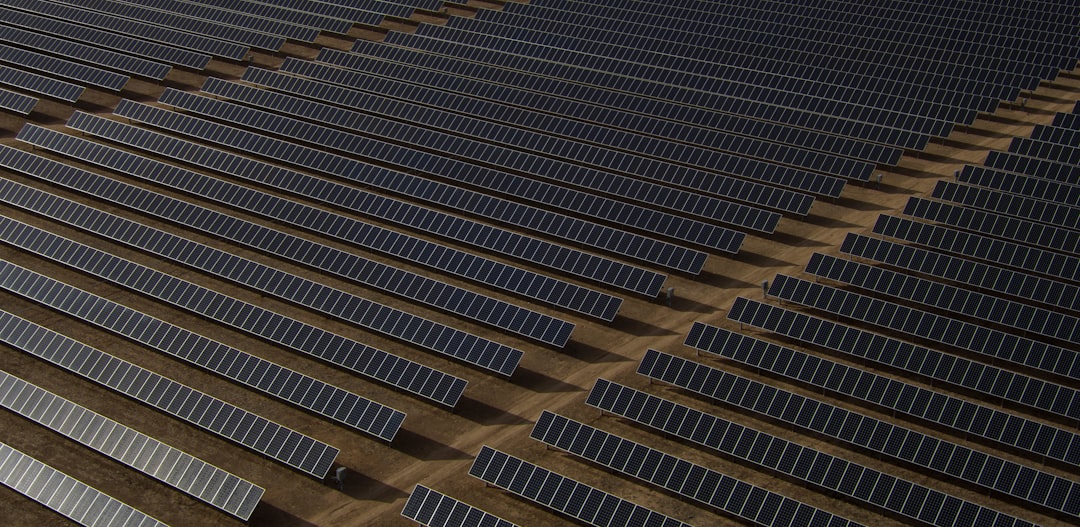
The next frontier for AI in solar is the development of "digital twin" technology. A digital twin is a virtual, real-time replica of a physical solar installation. By running simulations on this virtual model, operators can test different maintenance strategies, predict the impact of upgrades, and optimize performance without any risk to the physical asset. As AI technology continues to evolve, we are moving toward a future of fully autonomous energy grids—self-healing, self-optimizing systems that deliver clean, reliable, and affordable power for all.
In conclusion, the partnership between artificial intelligence and solar energy is creating a powerful synergy that is accelerating the global transition to a sustainable future. By addressing the core challenges of efficiency, reliability, and management, AI is not just supporting the solar industry; it is fundamentally redefining what is possible. The intelligent solar revolution has arrived, and it promises a brighter, cleaner, and smarter world.