



European Three-Phase Balcony Solar
Balcony Solar That Works with Three-Phase Household Power
Phase Coordination · Zero Export · Lower Bills
Coordinate micro-inverters, micro storage and anti-backflow control so balcony solar can serve more of a European home—not only one phase.
User pain points
Single-phase balcony solar does not always match a three-phase home.
When heat pumps, air conditioning and higher loads sit across different phases, ordinary plug-in solar can leave much of a household’s energy demand uncovered.
One-phase generation can limit real savings.
Household loads are distributed across three phases, while common balcony systems are often connected to only one.
Dynamic tariffs make timing more important.
Using stored solar during higher-price periods can matter as much as generating it.
Feed-in rules require reliable control.
Homes need a safe, compliant way to manage output rather than risk uncontrolled export.
Three-phase coordination
One household energy picture across multiple phases.
The anti-backflow controller reads household demand and helps multiple solar devices adjust their output as one coordinated system.
MeasureUnderstand household three-phase power demand.
CoordinateAdjust micro-inverter and storage output across the system.
Keep it compliantPrioritize self-use while limiting unwanted export.
 GEECO CONTROLBalances output against three-phase demand
Our solution
Our solution
Micro-inverters, micro-storage units and an anti-backflow controller for European three-phase homes, balcony-solar users and dynamic-tariff markets.
Plug and play: save money and enjoy DIY.
A plug-and-play balcony-solar system gives households a simple way to save electricity costs while enjoying the DIY installation experience.
Multi-point connection covers three-phase electricity demand.
Micro-inverters or micro-storage units can be installed in different home locations so balcony solar serves more than one electrical path and better covers multi-phase household use.
Automatically balance phase power and reduce three-phase equipment costs.
When heat pumps, air conditioners and other three-phase equipment operate, the system coordinates output across phases so total generation and electricity use are better matched, reducing meter consumption.
Use PV and storage first during high-tariff periods.
When electricity prices are high, the system prioritizes PV generation and stored energy, reducing the use of expensive grid power.
Anti-backflow protection for safer, more compliant electricity use.
The anti-backflow controller reduces surplus electricity sent to the grid and monitors circuit loads to reduce overload risk and meet more local grid-connection requirements.
Recommended product solution
Micro-Inverter + Micro Storage + Anti-Backflow Controller
A modular solution for European three-phase households and dynamic-price markets.
Configuration direction
Choose the level of coordination your household needs.
Three-phase homes need a load-aware configuration.
Share your household electrical setup, typical loads, balcony locations and local feed-in rules for a suitable coordinated design.
Request System MatchingDifferentiated highlights
Differentiated highlights
Appliance-inspired design that adds to everyday living.
GEECO uses home-oriented design and appliance-style appearance so professional energy technology can fit into daily life.
Three-phase net-metering compatibility improves total savings.
The system uses local three-phase net-metering mechanisms to coordinate generation and consumption across phases and better cover total household electricity use.
Anti-backflow control adapts to zero-export and limited-feed-in markets.
Output is controlled according to grid requirements to reduce surplus electricity sent back to the grid in markets with strict connection limits.
Multiple devices work together and support flexible expansion.
Micro-inverters, micro-storage units and the anti-backflow controller can work together and expand gradually around household area, load and budget.
Fast dynamic response matches real-time household load.
The system adjusts generation output as electricity use changes, improving self-consumption and reducing energy waste.
Overload monitoring and safety protection for household circuits.
The anti-backflow controller monitors circuit operation to reduce current-overload risk and provide safer protection for three-phase household electricity use.
Customer testimonials
Balcony solar that reaches more of the household.
Lukas M., Germany: “Our balcony solar no longer serves only one part of the house.”
“The coordinated system makes much better use of our daytime generation in a three-phase home.”
Application: multi-device balcony solarElena R., Austria: “Peak-time grid use feels more manageable.”
“Storage lets us keep more solar for the hours when electricity costs more.”
Application: storage-enhanced balcony solarMarco B., Italy: “We have a clearer zero-export plan.”
“The controller gives us more confidence around local feed-in rules.”
Application: anti-backflow controlled solarCertification support
Documentation that supports local planning.
Final reports and model scope should be confirmed for the selected equipment and destination market.
Request Certification Documents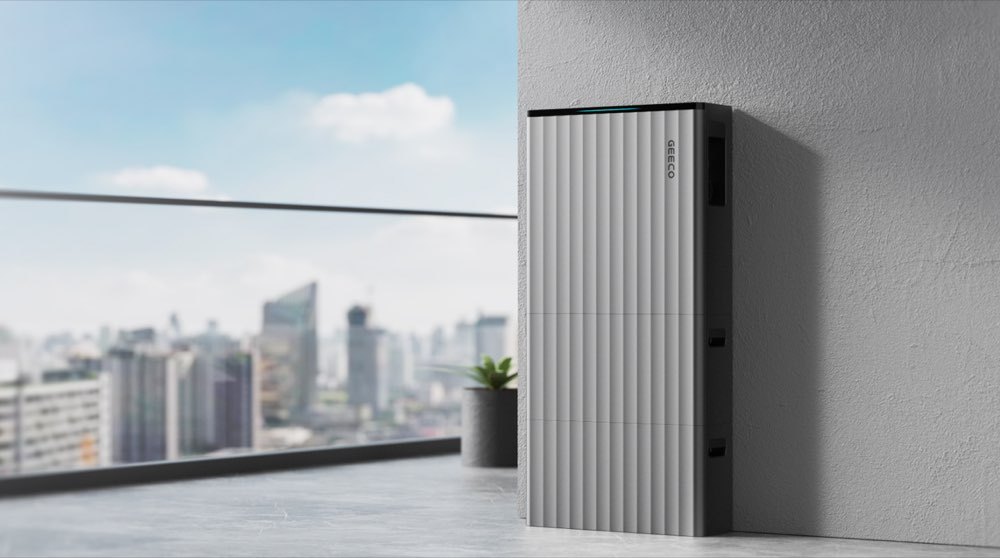
System matching
Make balcony solar work with the whole home.
Tell us your phase arrangement, loads, balcony area and local grid requirements.
Get a System ProposalFAQ
Questions about three-phase balcony solar.
Why can a standard balcony solar system have limited savings in a three-phase home?
It is often connected to one phase while household demand is distributed across several phases. Coordinated control can improve the overall fit.
How does GEECO solve the three-phase electricity challenge?
Micro-inverters, micro-storage units and the anti-backflow controller work together to regulate output around real-time three-phase household demand and improve total self-consumption.
Is the anti-backflow controller necessary?
It is key where zero export, grid limits or coordinated multi-device control is required.
Can the system be expanded later?
Yes. A household can begin with a basic micro-inverter system and add storage or coordinated devices as needs change.
Which European homes are suitable?
It suits three-phase households, homes with existing balcony solar but limited savings, dynamic-tariff users, households with heat pumps or air conditioning, and homes requiring zero-export control.
Does it need household WiFi?
The system can use reliable device communication designed for more challenging home layouts; final options depend on the configuration.
Can it prevent excess electricity from flowing back to the grid?
Yes. The anti-backflow controller regulates compatible generation devices against real-time household load to reduce or avoid export.
Is installation complicated?
Micro-inverter and micro-storage systems are flexible compared with conventional home PV. For multiple coordinated devices, follow the standard wiring plan and have a qualified person confirm local electrical requirements.