


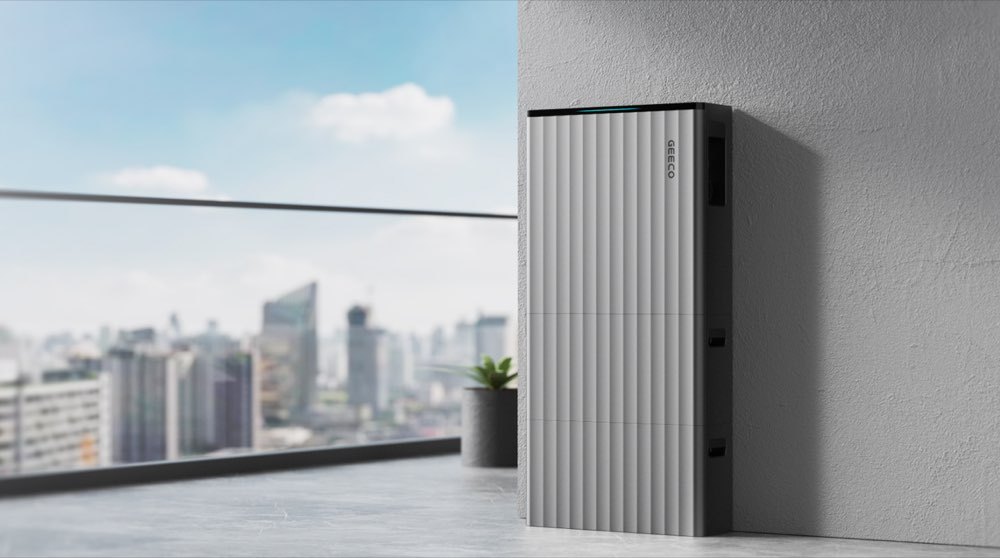
High Electricity Cost Area Solution
Solar Storage That Helps Homes Buy Less Expensive Grid Power
Self-Consumption · Smart Energy Use · Lower Bills
Use solar energy first, store more for later and let intelligent energy management help households reduce exposure to peak electricity prices.
User pain points
High tariffs and time-of-use pricing make every kilowatt-hour matter.
Families need more than generation. They need a practical way to use solar when it creates the greatest value—during daily consumption and costly evening peaks.
Peak-time electricity drives bills higher.
Evening household demand often coincides with the most expensive tariff periods.
Surplus solar has less value when exported.
Without storage, clean daytime generation can be sold cheaply or left underused.
Energy decisions are difficult to see and manage.
Without one clear system view, households cannot easily connect generation, storage and savings.
How savings flow
Store solar when it is abundant. Use it when grid power costs more.
The system coordinates solar, battery and grid power around household use and local tariff conditions.
Use solar firstServe live household loads before buying from the grid.
Store surplusKeep unused daytime energy in the battery.
Discharge intelligentlyUse stored energy during night-time or higher-tariff periods.
 GEECO + EMSDecides where energy creates more value
Our solution
Our solution
Grid-tied micro-inverter / micro-storage, EMS and app configuration for high-price and dynamic-tariff homes.
Solar power in the day, household use first.
The system supplies solar power to household loads first during the day, reducing electricity purchased from the grid and directly lowering daily electricity costs.
Store surplus energy; use it during the evening peak.
Unused daytime solar energy is stored in the battery for use at night or during high-price electricity periods, reducing high-cost grid consumption.
Smart EMS management for easier energy use.
The EMS automatically coordinates PV, battery and grid electricity so the household uses lower-cost energy at the right time.
App energy visibility makes electricity costs clear.
Users can view generation, electricity use, battery status and savings in the app, making household energy use more visible and controllable.
Adapt flexibly to grid limits and reduce export risk.
In markets with difficult grid connection or restricted export, anti-backflow control and storage can prioritize self-consumption and reduce dependence on grid policy.
Recommended product solution
Grid-Tied and Off-Grid Smart Energy Configurations
For high-tariff, dynamic-price, weak-grid and export-restricted households that want savings with practical backup.
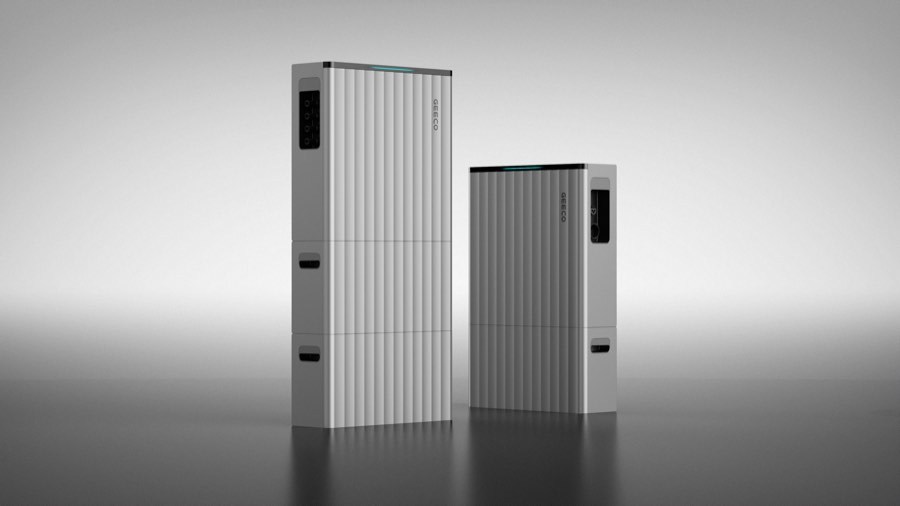
Configuration direction
Choose the energy architecture before choosing capacity.
Plan from your bill—not only from panel size.
Share your electricity tariff, daily load profile, available PV area and export rules. GEECO will help identify a configuration that fits the way energy is actually used.
Request System MatchingDifferentiated highlights
Differentiated highlights
Use free solar power in summer; use EMS tariff arbitrage in winter.
AI-driven EMS coordinates PV generation, battery energy, household load and electricity-price trends to distribute energy intelligently and reduce electricity costs throughout the year.
Anti-backflow control for zero-export and limited-feed-in markets.
The system controls output according to grid requirements, reducing surplus electricity sent back to the grid and adapting to markets with strict connection restrictions.
Flexible micro-inverter and micro-storage combinations for different homes.
Micro-inverters, micro-storage units and storage systems can be configured around roof area, electricity use and budget.
App data visibility makes energy value clearer.
Users can view generation, electricity use, stored energy and electricity-cost savings to understand system performance more directly.
LFP battery supports long-term high-frequency use.
The high-safety LFP battery system supports 6,000+ cycles and is suitable for daily charging and discharging in long-term household storage applications.
Customer testimonials
Better timing makes energy costs feel more controllable.
Thomas R., household user: “Evening power is no longer the part of the bill I fear most.”
“Solar serves the house during the day, and stored energy helps when our tariff rises in the evening.”
Application: solar + storage + EMSSofia M., household user: “We keep more of the solar we produce.”
“Instead of simply exporting unused generation, we can use it later at home.”
Application: self-consumption with battery storageDavid L., small-shop owner: “Daytime solar and evening storage work for our schedule.”
“The shop has a clearer way to manage refrigeration and lighting costs across the day.”
Application: high-tariff small businessCertification support
Documentation for confident planning.
Applicable reports and model scope are confirmed with the final configuration.
Request Certification Documents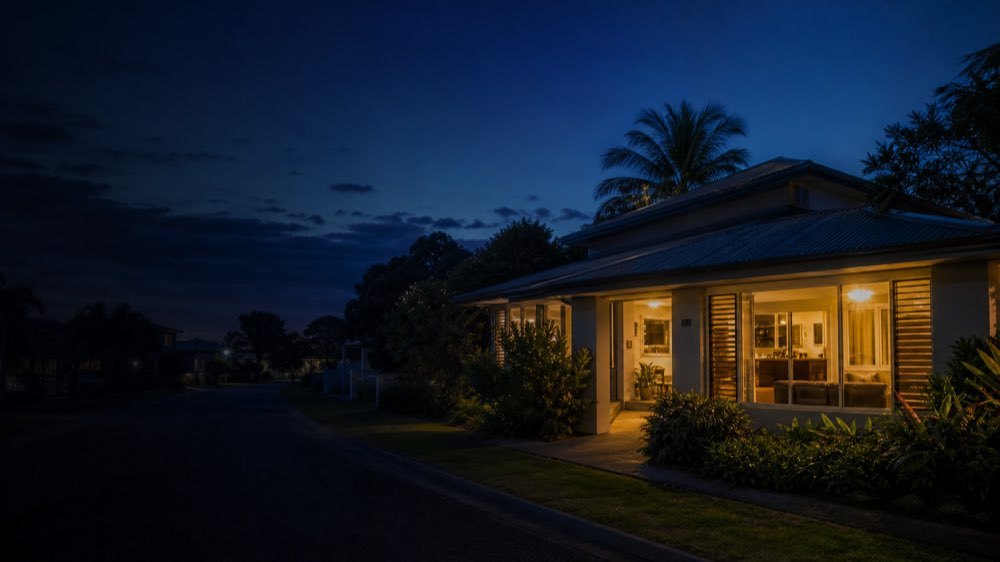
System matching
Put more of your solar energy to work at home.
Send us your tariff, household loads and solar plan for a starting configuration.
Get a System ProposalFAQ
Questions about lowering electricity costs with storage.
How does the solution lower electricity bills?
It prioritizes solar for household use and stores surplus energy for later, helping reduce purchases during higher-cost periods.
Is it suitable for dynamic electricity tariffs?
Yes. EMS can support more deliberate use of solar, storage and grid energy as tariff conditions change.
Can it work where export is restricted?
Yes. A suitable configuration can add anti-backflow control to prioritize self-consumption and limit export.
How do I choose between grid-tied and off-grid configurations?
Homes that can connect to the grid and primarily want bill savings can select a grid-tied micro-inverter or micro-storage system with EMS. Homes with unstable grids, export limits or a backup-power requirement can consider an off-grid all-in-one system with Mini-EMS.
Can it provide backup during an outage?
Grid-tied and off-grid configurations with the appropriate storage and switching design can supply defined critical loads during an outage. A pure grid-tied PV system normally cannot operate independently after the grid fails.
How long is the payback period?
Payback depends on local electricity price, solar resource, system size, usage pattern and installation cost. It is generally more favorable where electricity is expensive, tariff differences are clear and daytime consumption is high.